
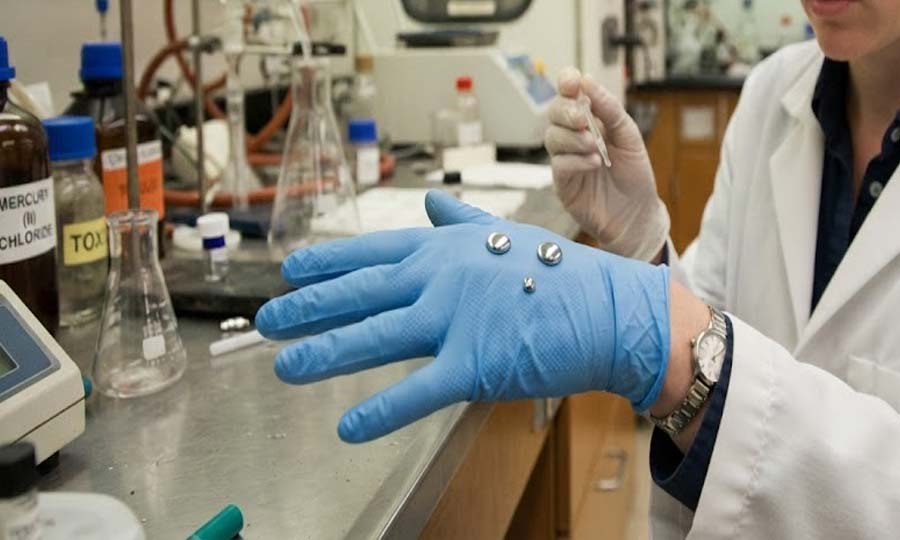
New York: What appeared to be a minor laboratory accident turned into one of the most tragic cases of chemical poisoning in the history of laboratory safety. American chemist Dr. Karen Wetterhahn, a professor at Dartmouth College who studied toxic metals, died after being exposed to the highly toxic compound dimethylmercury.
The accident happened on August 14, 1996. While working with dimethylmercury, a few drops of the liquid spilled onto the latex glove covering her hand. At the time, Wetterhahn did not realise the severity of the exposure. She removed the gloves and washed her hands before continuing with her work.
However, dimethylmercury is exceptionally dangerous because it can penetrate certain types of protective gloves and enter the body through the skin. For several months, Wetterhahn appeared to be well. Around five months after the accident, she began experiencing neurological symptoms. She developed problems with balance and coordination, difficulty speaking and a tingling sensation in her fingers.
Her condition rapidly deteriorated. Her vision became impaired, her hearing was affected and she eventually suffered severe neurological damage. Tests revealed an extraordinarily high concentration of mercury in her body. Her blood mercury level was measured at about 4,000 micrograms per litre, far above normal levels.
Doctors began chelation therapy in an attempt to remove mercury from her body. Although the treatment increased the amount of mercury being eliminated, it could not reverse the extensive neurological damage that had already occurred. Wetterhahn eventually fell into a coma and died on June 8, 1997, less than a year after the laboratory accident.
Her case highlighted the extraordinary danger posed by dimethylmercury and led to significant changes in laboratory safety practices. Researchers subsequently recognised that ordinary latex gloves could provide inadequate protection against the compound and that specialised protective equipment was necessary. The tragedy of Karen Wetterhahn remains a powerful reminder that some chemical exposures can appear insignificant at first while causing severe and irreversible damage months later.