
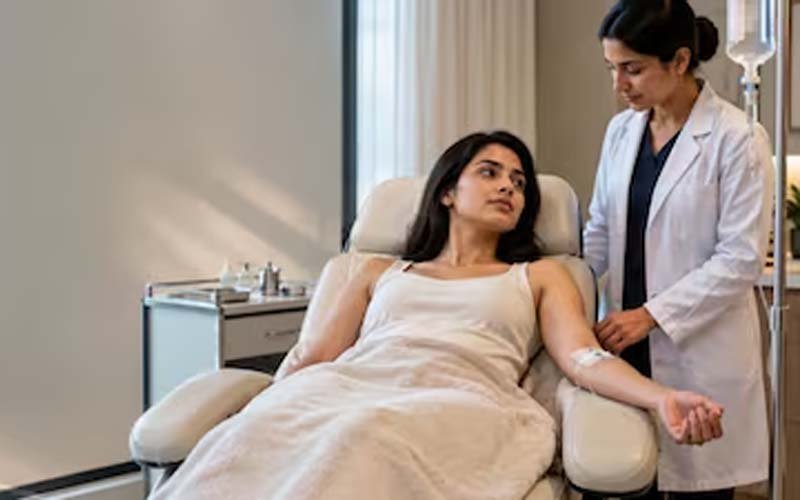
New Delhi: Glutathione IV drips have become increasingly popular at beauty clinics and aesthetic centres, with many people seeking them as a quick way to achieve brighter or lighter-looking skin. The antioxidant is widely promoted on social media and in cosmetic treatment centres, but doctors say there is limited scientific evidence to establish intravenous glutathione as a safe and reliable skin-lightening treatment.
Glutathione is a naturally occurring antioxidant produced by the human body. It helps protect cells from oxidative stress and is involved in several biological processes. According to Dr Shifa Yadav, Consultant Dermatology at Artemis Hospitals, Gurugram, the proposed skin-lightening effect of glutathione is associated with its influence on melanin production. It may reduce the activity of tyrosinase, an enzyme involved in melanin formation, and potentially shift pigment production from darker eumelanin towards lighter pheomelanin.
However, the presence of a possible biological mechanism does not mean that IV glutathione will produce a predictable cosmetic change. Dr Yadav said the available evidence is not strong enough to establish that intravenous glutathione can consistently and significantly lighten the skin. She noted that systematic reviews have found only limited clinical evidence, with existing studies suffering from methodological limitations and a lack of long-term data.
This also raises questions about the so-called instant glow often reported after a glutathione infusion. According to Dr Yadav, changes visible in photographs cannot automatically be interpreted as a genuine reduction in skin pigmentation. Hydration, skincare, vitamin infusions, lifestyle changes and other treatments taken alongside glutathione can also alter the appearance of the skin.
Another important point is that much of the research examining glutathione and pigmentation has involved oral or topical formulations rather than intravenous treatment. Doctors therefore caution against assuming that findings related to tablets or topical products can automatically be applied to IV therapy.
The duration of any cosmetic effect also remains uncertain. Dr Yadav said there are no adequate long-term studies establishing how long any skin-lightening effect from repeated IV glutathione treatment may last. As a result, claims that the treatment can provide permanent or long-lasting skin lightening are not supported by sufficient clinical evidence.
Safety is another major concern. According to Dr Yadav, one of the biggest gaps in current evidence is the lack of information about the long-term consequences of repeated cosmetic IV glutathione use. Most available studies have involved relatively short treatment periods, leaving unanswered questions about cumulative toxicity, repeated exposure and possible long-term effects.
Injectable glutathione can also cause side effects such as nausea, stomach discomfort, dizziness, headache and skin reactions. In less common cases, more serious complications, including severe allergic reactions and anaphylaxis, have been reported. IV administration itself can carry additional risks such as vein irritation and infection, particularly when the procedure or injectable product is not handled under appropriate medical supervision.
Dr Preeti Pandya, Senior Consultant in Plastic Surgery at Marengo Asia Hospitals, Gurugram, said the route through which glutathione is administered is an important consideration. She said IV administration delivers the substance directly into the bloodstream and therefore carries greater risks compared with oral use. She also stressed that injectable treatments should not be administered by unauthorised or inadequately trained personnel because contamination can lead to serious complications.
Concerns about the quality of injectable glutathione products have also been raised internationally. On August 27, 2026, the US Food and Drug Administration warned compounders against using dietary-supplement-grade glutathione to prepare injectable drugs. The agency said it had received reports of adverse reactions involving at least 30 patients and found that some affected products contained elevated levels of endotoxins. Reported reactions included fever, chills, dizziness, pain and sepsis-like symptoms.
Doctors also advise people to check whether a clinic is equipped to handle medical emergencies before undergoing any IV cosmetic treatment. Dr Pandya said patients should ask about emergency arrangements and ensure that the clinic takes a detailed medical history, including previous drug allergies. People with kidney, liver or other medical conditions should be particularly cautious and should not undergo such treatment without appropriate medical advice.
The growing popularity of glutathione drips has therefore outpaced the strength of evidence supporting their cosmetic use. While glutathione has legitimate biological functions as an antioxidant, doctors say that does not establish IV glutathione as a proven method for achieving fairer skin. Anyone considering the treatment should discuss the potential benefits and risks with a qualified medical professional rather than relying solely on promotional claims made by cosmetic clinics or social media.