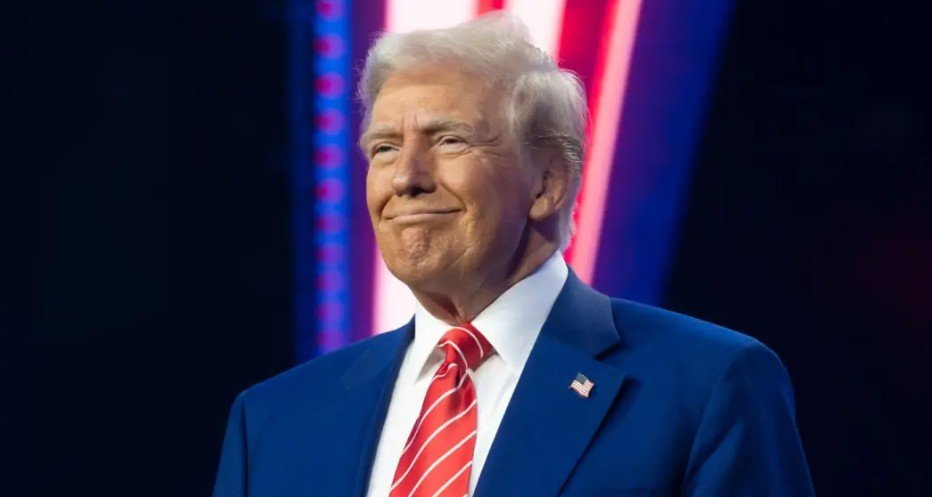
WASHINGTON: US President Donald Trump has signed legislation giving the administration the authority to impose tariffs of up to 100% on products from countries that purchase Russian crude oil or natural gas. The “Lindsey O. Graham Sanctioning Russia and Iran Act of 2026” was signed by Trump on September 18.
The legislation strengthens US sanctions against Russia while also expanding existing sanctions targeting Iran. However, the law does not automatically impose a 100% tariff on India, China or any other country.
Under the new law, the US President has the authority to determine whether such tariffs should be imposed and, if so, what rate should apply. The legislation provides for additional tariffs of up to 100% on products from countries that rank among the five largest importers of Russian crude oil or natural gas during the 12-month period preceding the law taking effect.
The law also opens the door to action against countries accused of helping Russia evade oil-related sanctions.
India and China are particularly relevant because both remain major buyers of Russian crude. According to August data cited by S&P Global, India was the leading importer of Russian crude during the period, followed by China.
Importantly, however, India is not specifically named in the legislation. Indian products will not automatically face a 100% tariff simply because the law has been enacted. Any such measure would require a separate decision and action by the US administration under the provisions of the new law.
The legislation also introduces stronger sanctions targeting Russia’s energy sector, defence industry and financial system. It includes provisions to impose restrictions on individuals and entities connected with Russia’s so-called “shadow fleet”—vessels that Washington alleges are being used to circumvent sanctions while transporting Russian oil.
The move comes against the backdrop of the ongoing Russia-Ukraine war, with reducing Moscow’s energy revenues emerging as a key objective of US economic pressure.
The new law therefore gives the Trump administration a broader mechanism to increase economic pressure not only on Russia but also on countries that continue to maintain significant trade in Russian energy.