Doha: QatarEnergy has signed a 20-year agreement to purchase up to three million tonnes of liquefied natural gas (LNG) annually from Australia’s Woodside Energy’s Louisiana LNG project in the United States. The deal marks another major step in Qatar’s efforts to diversify its gas supplies amid disruptions to shipments through the Strait of Hormuz.
Under the agreement, deliveries are expected to begin in 2030. Initial supplies will come from the second production unit, or train, at the Louisiana LNG facility, with volumes increasing to the full three million tonnes annually once the third train begins operations. The agreement will be on a free-on-board (FOB) basis, meaning the buyer assumes responsibility for the cargo once it is loaded onto the vessel.
Qatar’s Minister of State for Energy Affairs and QatarEnergy President and CEO Saad Sherida Al Kaabi said the additional volumes would make QatarEnergy the largest buyer of LNG from the United States. He said the deal, alongside the company’s Golden Pass project in Texas and its expanding US purchasing portfolio, would support its long-term growth and diversification strategy.
Woodside Energy CEO Liz Westcott described the agreement as a strong vote of confidence in the Louisiana LNG project. Located near Lake Charles on the US Gulf Coast, Woodside’s Louisiana LNG project is designed to have three production trains with a combined capacity of 16.5 million tonnes per year. The project is targeting its first LNG production in 2029.
The long-term supply agreement gives Woodside a major customer for the project while allowing QatarEnergy to secure additional volumes from outside the Gulf region. The deal also strengthens commercial ties between Qatar and the US energy sector. The Woodside agreement follows a separate deal with US LNG producer Cheniere Energy, under which QatarEnergy agreed to purchase four million tonnes of LNG annually through 2054. Deliveries under that agreement are expected to begin in the early 2030s.
QatarEnergy has also been reported to be in talks with other US suppliers as it seeks to expand its long-term purchasing portfolio. The company’s chief executive has indicated that further supply agreements could be signed with US and other international suppliers.
The expansion reflects QatarEnergy’s efforts to maintain supply commitments to customers while diversifying its sources of LNG amid disruption to its own export operations. The Strait of Hormuz is a critical route for global energy trade, normally carrying a substantial share of the world’s LNG shipments. Disruptions linked to the conflict involving Iran have restricted Qatar’s ability to export gas through the region.
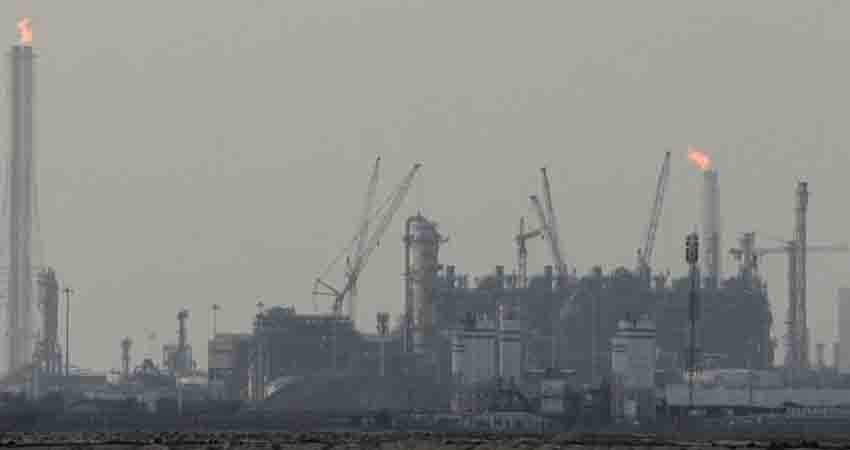
Iranian strikes on Qatar’s Ras Laffan energy complex have also damaged LNG production facilities. QatarEnergy has warned that repairs to the affected production trains could take several years, adding to uncertainty over future supply.
The company has extended force majeure notices to some customers, including buyers in Pakistan and Bangladesh, while Italy’s Edison has also reported changes to its expected deliveries. Bangladesh has turned to spot-market purchases to cover part of its supply needs, reportedly at significantly higher costs.
The disruptions have increased demand for LNG cargoes from the United States. US producer Cheniere Energy recently raised its full-year earnings guidance, citing stronger demand amid supply disruptions in the Middle East. Qatar is not alone in seeking greater access to US LNG. Gulf energy companies have been expanding their exposure to American gas projects as geopolitical risks highlight the importance of supply diversification.
For QatarEnergy, the Woodside agreement offers a long-term source of LNG outside the Gulf and complements its existing investments and purchases in the US. However, the agreement’s deliveries will begin only when the relevant Louisiana LNG production trains become operational.
The deal highlights how disruption to one of the world’s most important energy-shipping routes is influencing long-term supply strategies, investment decisions and competition in the global LNG market.