
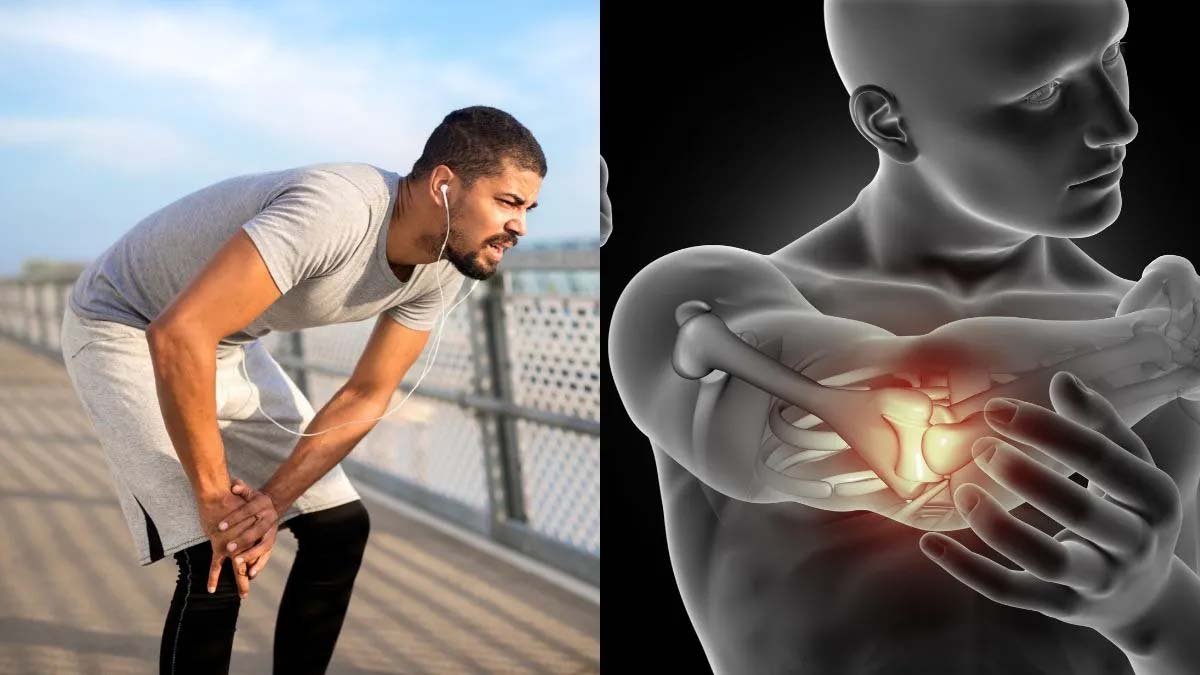
Osteoporosis can develop without obvious symptoms for years. From poor nutrition and prolonged sitting to smoking and restrictive diets, these everyday habits may gradually affect bone strength and increase the risk of fractures.
Bones play a vital role in supporting the body, protecting internal organs and enabling movement. Yet, bone health is often overlooked until a fracture or other problem brings it to attention. Osteoporosis, a condition that weakens bones and makes them more vulnerable to fractures, can progress silently over several years without noticeable symptoms.
Although the risk of osteoporosis generally increases with age, lifestyle choices throughout life can influence bone health. Inadequate calcium and vitamin D intake, physical inactivity, smoking and excessive alcohol consumption are among the factors that may contribute to weaker bones.
Dr Vishal Lapshia, Consultant Orthopaedic and Joint Replacement Surgeon at AIMS Hospital, Dombivli, highlights how common daily habits can affect bone strength and why taking preventive measures early is important.
7 Everyday Habits That May Be Weakening Your Bones
1. Not Getting Enough Calcium and Vitamin D
Calcium is essential for maintaining strong bones, while vitamin D helps the body absorb calcium effectively. A prolonged lack of these nutrients can compromise bone health over time.
Including calcium-rich foods in your diet and ensuring adequate vitamin D intake can help maintain bone strength. Anyone concerned about a possible deficiency should seek medical advice before starting supplements.
2. Sitting for Long Hours Every Day
A sedentary lifestyle can affect bone strength and muscle fitness. Bones benefit from regular physical activity, while prolonged inactivity may contribute to declining musculoskeletal health.
Walking, climbing stairs where appropriate and engaging in other weight-bearing activities can help support healthy bones. Taking short movement breaks throughout the day is another simple way to reduce prolonged sitting.
3. Skipping Strength Training
Maintaining strong muscles is important for supporting bones, improving balance and reducing the risk of falls. As people grow older, the loss of muscle strength can make everyday movements more difficult and increase the likelihood of injuries.
Suitable resistance exercises and strength training can help maintain muscle mass and support bone health. Beginners and people with existing health conditions should choose exercises appropriate to their abilities.
4. Smoking Regularly
Smoking is associated with poorer bone health and an increased risk of fractures. Its effects may develop gradually, making the damage difficult to recognise in everyday life.
Quitting smoking can benefit overall health, including long-term skeletal health. People who struggle to quit can seek support from a healthcare professional.
5. Consuming Excessive Alcohol
Regular heavy alcohol consumption can negatively affect bone health. Alcohol can also impair balance and coordination, increasing the risk of falls and related fractures.
Limiting alcohol consumption is an important consideration for protecting bone health, particularly among people with other osteoporosis risk factors.
6. Following Highly Restrictive Diets
Restrictive diets may leave the body without adequate amounts of protein, calcium, vitamin D and other nutrients needed to maintain healthy bones and muscles.
A balanced diet that provides sufficient energy and essential nutrients is important for skeletal health. People following restrictive eating plans should ensure their nutritional needs are met and seek professional guidance if necessary.
7. Assuming Your Bones Are Healthy Because You Feel Fine
One of the biggest challenges with osteoporosis is that it may not cause noticeable symptoms in its early stages. People can feel healthy even as bone density gradually decreases.
Increasing age, a family history of osteoporosis, previous fractures, certain hormonal changes and prolonged use of some medicines can increase the risk. A healthcare professional can assess these factors and determine whether a bone-density test or further evaluation is necessary.
How Can You Protect Your Bones Before Problems Develop?
Protecting bone health begins with consistent lifestyle choices. A balanced diet, adequate calcium and vitamin D, regular physical activity and appropriate weight-bearing and strength exercises can help maintain healthy bones.
Avoiding smoking, limiting excessive alcohol consumption and maintaining muscle strength and balance are also important preventive measures. People with risk factors for osteoporosis should discuss their bone health with a healthcare professional rather than waiting for symptoms to appear.
The bottom line: Healthy bones require attention throughout life. Recognising potentially harmful habits early and making appropriate changes can help support bone strength and reduce the risk of fractures as you age.
Disclaimer: This article is for general informational purposes only and is not a substitute for professional medical advice, diagnosis or treatment. Consult a qualified healthcare professional before starting supplements, changing your diet or beginning a new exercise programme.