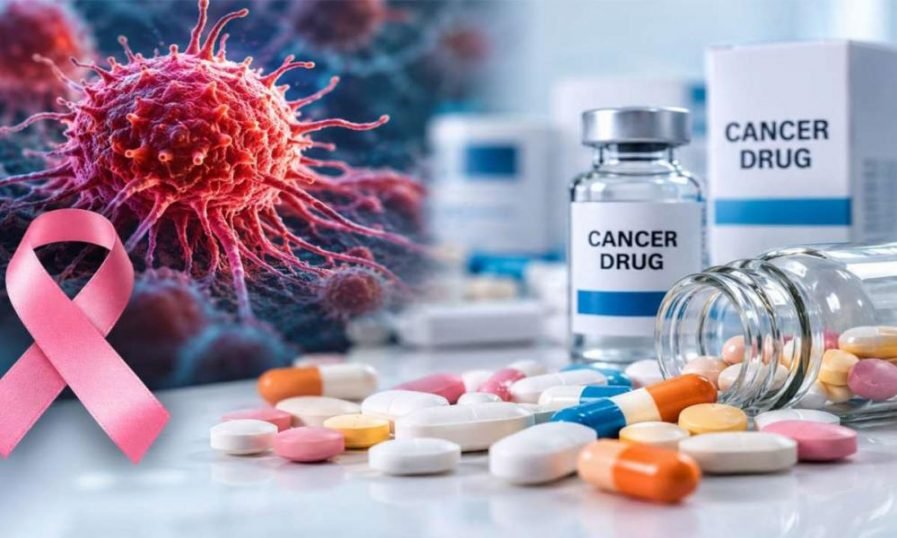
New Delhi: Prices of 137 cancer medicines in India are set to fall from November 9, 2026, after the National Pharmaceutical Pricing Authority (NPPA) capped trade margins on the medicines at 30%. The move is aimed at making essential cancer treatments more affordable, particularly for patients who depend on expensive medicines.
The list includes costly patented drugs such as pembrolizumab, ribociclib and abemaciclib. Under the revised framework, retail prices of affected medicines could decline substantially, with reductions of up to 70% projected in some cases.
The measure seeks to curb excessive mark-ups across the distribution chain and improve access to cancer medicines at more reasonable prices.
Trade Margins Capped at 30%
Under the NPPA’s direction, trade margins cannot exceed 30% of the price at the first point of sale when medicines are supplied to stockists and hospitals. Manufacturers have also been instructed to submit revised maximum retail prices (MRPs) within seven days.
The revised prices are scheduled to take effect on November 9, 2026. Goods and Services Tax (GST), wherever applicable, will be charged in addition to the newly determined retail prices.
According to the information provided by the authority, an expert committee under the Directorate General of Health Services prepared the list to ensure that medicines essential for cancer treatment are available at fair prices.
Some Cancer Drugs Had Trade Margins of Up to 700%
Market data reviewed during a recent NPPA meeting reportedly showed that cancer medicines outside the existing price-control framework carried average trade margins of around 170%. In some cases, the margins reportedly reached as high as 700%, according to the meeting minutes.
India’s annual turnover in cancer medicines is estimated at approximately ₹12,500 crore. Of this, medicines already covered by price controls account for around ₹2,250 crore. The latest intervention targets medicines outside the existing price-control framework, where high trade margins can significantly increase the final price paid by patients.
Experts estimate that the retail prices of affected medicines could decline by between 20% and 70%, depending on the product and its existing pricing structure.
Patients Could Save ₹2,500 Crore Annually
The measure is expected to generate savings of approximately ₹2,500 crore annually for consumers. The NPPA meeting minutes also cite the impact of a similar intervention in 2019, when retail prices reportedly fell by as much as 91%, generating estimated annual savings of around ₹984 crore for consumers.
By restricting excessive trade margins, the authority aims to prevent disproportionate price increases while ensuring reasonable returns across the medicine supply chain.
Relief for Cancer Patients and Families
The revised prices are expected to provide financial relief to cancer patients and their families, many of whom face substantial expenses for prolonged treatment and costly medicines.
The actual reduction will vary from one medicine to another, depending on its existing price and the revised MRP. With the new rates scheduled to take effect on November 9, the measure is expected to improve the affordability of several cancer treatments in India.